


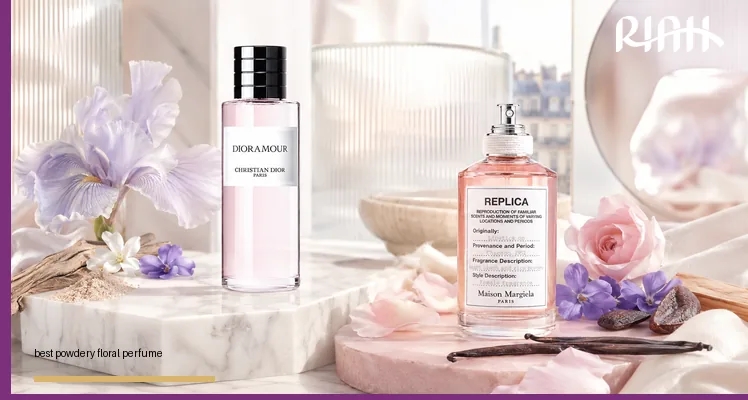
12 Best powdery floral perfume
Powdery and floral perfumes can range from airy, clean and almost translucent to creamy, cosmetic, spicy or deeply sensual. The important thing to understand is that powdery perfume is not one flower or raw material. Powderiness is an olfactory texture that can be created through iris, violet, musks, heliotrope-style accords, soft woods and certain floral combinations.
The same applies to floral perfume notes. Rose may smell fresh and green in one composition but dark and jammy in another; iris can move from earthy and root-like to lipstick-powder softness, while peony tends to create a lighter, fresher floral impression. Modern perfumes also combine flowers with woods, musk, fruit, aldehydes, amber and spice, so the final scent depends on the complete architecture rather than the flower name alone. Modern fragrance formulas commonly combine natural materials, nature-inspired accords and synthetic aroma molecules to create these effects.
This guide explores 12 important floral notes and compares their scent texture, powderiness, freshness and common pairings. We will also examine 12 finished fragrances from different powdery and floral directions to see how individual notes behave inside complete perfume compositions.
What Is a Powdery Fragrance?
A powdery fragrance creates a soft, dry or cosmetic texture that may remind you of face powder, lipstick, clean fabric, talc, violet candy or smooth skin. This effect can come from floral materials such as iris and violet, but it can also be reinforced by musk, vanilla, sandalwood, heliotrope-style accords and certain aldehydic structures. Riah's Powdery Perfumes catalogue treats powdery as an accord in its own right, separate from floral, iris, rose, musky and woody classifications.
This distinction matters because a fragrance can be floral without being powdery, or powdery without smelling primarily floral. A fresh magnolia fragrance may feel luminous and slightly citrusy, whereas an iris-and-musk perfume can feel intensely cosmetic even when its floral character is restrained.
Common Materials Behind a Powdery Effect
Powdery perfume often relies on combinations such as:
-
Iris or orris-style accords
-
Violet
-
Heliotrope-style materials
-
White musk
-
Vanilla
-
Tonka bean
-
Sandalwood
-
Aldehydes
-
Soft rose
-
Cosmetic or lipstick-style accords
The final texture depends on balance. Iris with woods can feel dry and architectural, iris with vanilla becomes creamier, and violet with musk can create a softer and more nostalgic powder effect.
Comparison Table: 12 Floral Notes at a Glance
| Floral Note | Typical Character | Powdery Level | Common Pairings | Best For |
|---|---|---|---|---|
| Rose | Fresh, green, honeyed or dark | Medium | Oud, musk, patchouli, saffron | Highly versatile |
| Iris | Powdery, earthy, cosmetic | Very High | Musk, woods, violet, vanilla | Elegant scents |
| Peony | Fresh, rosy, airy | Low-Medium | Rose, fruit, musk | Daytime florals |
| Camellia | Soft, clean, delicate floral | Low | Musk, citrus, tea-style accords | Light florals |
| Magnolia | Creamy, citrus-floral, luminous | Low-Medium | Musk, citrus, woods | Warm-weather wear |
| Carnation | Floral, dry, spicy | Medium | Clove, rose, woods | Vintage/spicy florals |
| Lilac | Fresh, green, powdery floral | Medium | Musk, violet, woods | Spring-style scents |
| Lotus | Watery, clean, airy | Low | Aquatic notes, musk, woods | Fresh perfume |
| Osmanthus | Floral, fruity, apricot-like | Low | Leather, tea, woods | Unusual florals |
| Gladiolus | Green, floral, fresh | Low | Citrus, musk, other florals | Light compositions |
| Violet | Powdery, soft, green | Very High | Iris, musk, woods | Cosmetic/powdery scents |
| Jasmine | Rich, white floral, sensual | Low | Rose, woods, musk, amber | Floral intensity |
This table is best treated as a map rather than a fixed rule. The same flower can behave very differently depending on extraction, supporting materials and the perfumer's intended accord.
12 Floral Notes
1. Rose — The Most Versatile Floral Note
Rose is one of the most flexible materials in perfumery because it can move between fresh, green, fruity, honeyed, spicy and dark interpretations. A light rose fragrance may feel like fresh petals and morning dew, while darker compositions can emphasize jammy fruit, patchouli, oud, amber or spice.
The Rose Perfumes category illustrates how widely the note is used across fragrance families. Rose can sit at the center of a floral perfume, soften a woody composition or provide brightness against dense oud and leather.
What Pairs Well With Rose?
Rose combines especially well with:
-
Oud
-
Patchouli
-
Musk
-
Saffron
-
Vanilla
-
Amber
-
Peony
-
Jasmine
-
Sandalwood
Rose is also not inherently feminine. Modern masculine and unisex fragrances frequently combine rose with darker woods, oud, spice or leather, and shoppers interested specifically in that direction can explore Rose Perfumes for Men.
2. Iris — The Signature Powdery Flower
Iris is one of the most important notes for anyone specifically searching for an iris perfume or strong powdery character. In perfumery, the prized fragrance material is traditionally associated with the rhizome rather than the fresh flower itself, which helps explain its distinctive earthy, rooty and cosmetic character.
Iris Perfumes can therefore smell very different from conventional fresh floral scents. Iris may evoke face powder, lipstick, violet-like softness, suede, dry woods or even a slightly earthy vegetal quality depending on the formulation.
Iris is particularly effective with musk and woods because those materials reinforce its smooth texture. Vanilla makes it creamier, violet increases the powder effect, and leather or cedar can turn iris into something considerably drier and more unisex.
Best for: elegant evening wear, office fragrances, minimalist luxury and buyers who specifically enjoy cosmetic or powder-like textures.
3. Peony — Fresh, Rosy and Airy
Peony usually sits on the fresher side of floral perfumery. It often produces a luminous, watery or lightly rosy effect rather than the density associated with tuberose or jasmine.
Peony Perfumes work especially well when combined with rose, fresh fruit, musk or transparent woods. This structure makes peony an easy bridge between traditional florals and modern fresh fragrance.
Peony can become more sophisticated when contrasted with spice or incense. Black pepper can sharpen its freshness, while cedar or incense prevents it from feeling too delicate or purely romantic.
Best for: spring, warm weather, daytime, office wear and buyers who want floral character without heavy sweetness.
4. Camellia — Soft and Understated Floral Character
Camellia is often represented in perfumery through a constructed floral accord rather than one universally standardized natural extract. This gives perfumers flexibility to interpret it as clean, softly floral, green, musky or slightly tea-like.
Camellia Perfumes are useful for buyers who prefer understated flowers over obvious rose, tuberose or jasmine.
Camellia-style accords work especially well with citrus, musk, tea effects and transparent woods. These combinations help maintain softness while adding enough structure to keep the fragrance from feeling anonymous.
Best for: minimalist perfume, warm climates, clean floral lovers and subtle daytime wear.
5. Magnolia — Creamy Floral Brightness
Magnolia occupies an interesting space between fresh citrus-floral and creamy white-floral perfume. Depending on the composition, it can feel lemony and luminous, soft and petal-like, or slightly creamy.
The Magnolia Perfumes category demonstrates how the note can be used across fresh, floral, green and musky structures. Contemporary perfumes frequently combine magnolia with rose, jasmine, citrus, pink pepper, woods or white musk.
This makes magnolia particularly useful in warm-weather floral fragrances. It has enough body to remain recognizably floral but usually feels more breathable than dense jasmine or tuberose compositions.
Best for: daytime, spring and summer, elegant casual wear and people who want floral creaminess without excessive sweetness.
6. Carnation — The Spicy Floral
Carnation is one of the most distinctive entries in this guide because its character combines floral sweetness with a dry spicy effect. In classical perfumery, carnation-style accords are strongly associated with clove-like warmth, which makes them feel noticeably different from rose or peony.
Carnation Perfumes can therefore move naturally into spicy, woody or vintage-inspired compositions. The Perfume Society describes carnation as having a spicy, hot yet dry quality, illustrating why the note works so well with woods and oriental-style structures.
Carnation pairs particularly well with rose, clove, amber, sandalwood and powdery materials. In modern formulas, musks and fresh spices can make it feel considerably more contemporary.
Best for: fragrance enthusiasts, spicy-floral lovers and buyers looking for something less predictable than rose or jasmine.
7. Lilac — Green, Soft and Nostalgic
Lilac is often associated with a fresh spring garden effect. It can feel floral, green and slightly powdery, with a soft sweetness that usually remains lighter than tuberose or heavy jasmine.
Lilac Perfumes can combine the note with musk, violet, woods or other spring florals to build a soft bouquet. Modern compositions may also emphasize lilac's green facets to keep the fragrance from becoming overly nostalgic.
Lilac works especially well for wearers who like powdery fragrances but find iris too dry or cosmetic. It offers softness while preserving a more recognizable fresh-flower impression.
Best for: spring, daytime, romantic florals and soft vintage-inspired compositions.
8. Lotus — Watery and Transparent Floral Freshness
Lotus is generally interpreted as an airy, watery floral accord. Instead of the heavy sweetness of some white flowers, lotus often contributes transparency, freshness and an aquatic sensation.
This makes Lotus Perfumes particularly useful for people who enjoy fresh fragrances but still want a floral identity. Lotus is commonly paired with musk, aquatic accords, tea-style notes, fruit and light woods.
The result is usually much less powdery than iris or violet. Lotus works as a good counterpoint to those heavier materials when a perfumer wants to create more space inside the composition.
Best for: high temperatures, daytime, office use and fresh-floral fragrance wardrobes.
9. Osmanthus — Fruity Floral With an Apricot-Like Character
Osmanthus is distinctive because it can combine floral softness with a fruity character often associated with apricot or stone fruit. Depending on the formulation, it may also develop tea-like, leathery or slightly animalic nuances.
Osmanthus Perfumes are particularly interesting for fragrance buyers who want a flower that does not smell conventionally “floral.” Contemporary compositions pair osmanthus with green notes, woods, tea effects, leather or musk.
Its fruit-floral duality makes osmanthus versatile. It can brighten a woody fragrance or add complexity to a floral bouquet without relying on obvious vanilla or sugar.
Best for: niche-style fragrance, unisex compositions and buyers who like unusual fruity-floral effects.
10. Gladiolus — Green and Light Floral Structure
Gladiolus is less common as a starring perfume note than rose, iris or jasmine. It is therefore often used as part of a larger floral accord, contributing a fresh, green and petal-like impression rather than dominating the perfume.
Gladiolus Perfumes represent this less conventional direction within floral fragrance.
Gladiolus works naturally beside citrus, clean musk, transparent woods and other flowers. Its value is often structural: it can contribute the sensation of a fresh bouquet without adding heavy sweetness or intense powder.
Best for: fresh floral blends, spring fragrance and buyers interested in less common perfume notes.
11. Violet — Soft Cosmetic Powder
Violet is one of the most important contributors to the classic powdery fragrance effect. Its perfume character can move between sweet floral powder and greener violet-leaf effects, depending on which facet the formula emphasizes.
Violet combined with iris creates one of perfumery's most recognizably cosmetic structures. Musk increases softness, while woods and leather can make violet significantly drier and more contemporary. Perfume compositions frequently use violet and orris together when aiming for a nostalgic, tactile or powder-like floral texture.
Best for: powdery perfume lovers, lipstick-style fragrances, elegant evening wear and vintage-inspired compositions.
12. Jasmine — Floral Volume and Sensuality
Jasmine provides considerably more floral volume than many of the lighter notes in this guide. Depending on the material and dosage, it can smell fresh and luminous, creamy and rich, or more sensual and animalic.
Jasmine is especially valuable because it works with almost every major fragrance family. Rose creates a classical bouquet, citrus makes jasmine brighter, musk emphasizes softness, while amber and woods increase depth.
Unlike iris, jasmine is not primarily used to create powderiness. Its role is more often to provide floral body, diffusion and sensual richness.
Best for: expressive florals, evening fragrance and compositions that need more floral presence.
Rose vs Iris vs Peony
Rose, iris and peony are frequently grouped together because they are all floral, but their actual scent textures are dramatically different.
| Feature | Rose | Iris | Peony |
| Main Impression | Floral, rosy, green or rich | Powdery, earthy, cosmetic | Fresh, airy, rosy |
| Powderiness | Medium | Very High | Low-Medium |
| Freshness | Medium-High | Low-Medium | High |
| Sweetness | Variable | Low-Medium | Low-Medium |
| Texture | Velvety | Dry / powdery | Transparent |
| Common Pairings | Oud, musk, patchouli | Violet, woods, musk | Rose, fruit, musk |
| Best For | Almost any occasion | Elegant / formal | Daytime / warm weather |
| Easy for Beginners? | Yes | Depends on taste | Yes |
Choose Rose for Maximum Versatility
Rose offers the broadest range. It can become fresh, woody, oriental, fruity, spicy or dark depending on the composition, making it one of the easiest floral notes to explore.
Choose Iris for Powderiness
If the main goal is finding a truly powdery fragrance, iris is the strongest starting point among these three. Its cosmetic and root-like facets give it a distinctive texture that is difficult to mistake for peony or fresh rose.
Choose Peony for Fresh Floral Wear
Peony is generally the easiest choice if you prefer transparency and freshness. It works particularly well with musk, fruit and rose and usually feels more effortless in warm weather.
Best Powdery & Floral Perfumes
The following 12 fragrances show how powdery and floral notes behave inside finished compositions. Instead of focusing on only three examples, this selection covers peony, iris, rose, lotus, magnolia, white florals, lipstick-style powder and richer modern floral structures.
Comparison Table: 12 Best Powdery & Floral Fragrances
| Perfume | Main Direction | Texture | Best For |
| Vilhelm Peony Couture | Peony + rose | Fresh, spicy, woody | Modern peony |
| Dioramour | Iris + jasmine | Powdery, soft, sensual | Powdery luxury |
| Estée Lauder Dazzling Silver | Lotus + magnolia + florals | Fresh, green, musky | Classic bouquet |
| Maison Margiela Lipstick On | Cosmetic / iris-style powder | Creamy, lipstick-like | Maximum powderiness |
| Zara Fashionably London | Rose-led floral | Clean, musky, modern | Everyday rose |
| Zara Elegantly Tokyo | White floral | Clean, woody, elegant | Minimalist floral |
| Maison Crivelli Hibiscus Mahajad | Rich floral | Dense, textured, sensual | Statement floral |
| Louis Vuitton Dancing Blossom | Multi-floral bouquet | Luminous, polished | Luxury floral |
| Zara Rose EDT | Rose | Fresh, simple, accessible | Daytime rose |
| Fan di Fendi | White floral + fruit | Warm, polished | Sophisticated floral |
| Charlotte Tilbury Scent of a Dream | Multi-floral | Soft, layered, sensual | Romantic floral |
| Paco Rabanne Rose 1969 | Rose-led floral | Expressive, modern | Unisex rose |
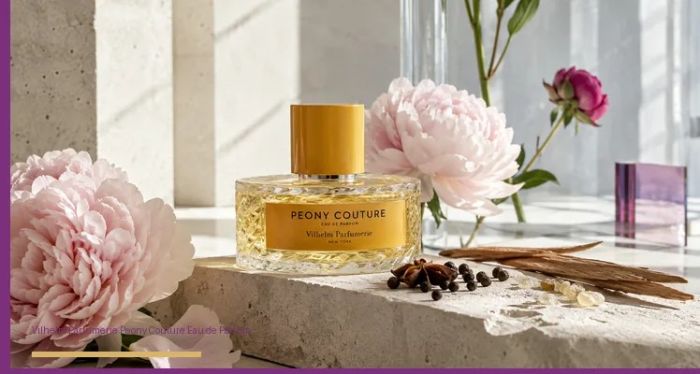
1. Vilhelm Peony Couture — Best Modern Peony Perfume
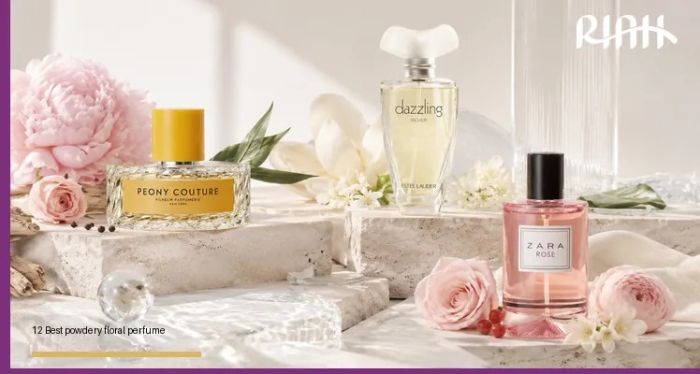
Vilhelm Peony Couture demonstrates how peony can feel sharper and more structured when paired with rose, spice and woods rather than presented as a purely delicate flower.
It is a strong choice for buyers who want airy floral character but still prefer a more modern, niche-style fragrance with enough contrast to remain interesting.
Best for: peony lovers, modern unisex florals, spring and daytime wear.
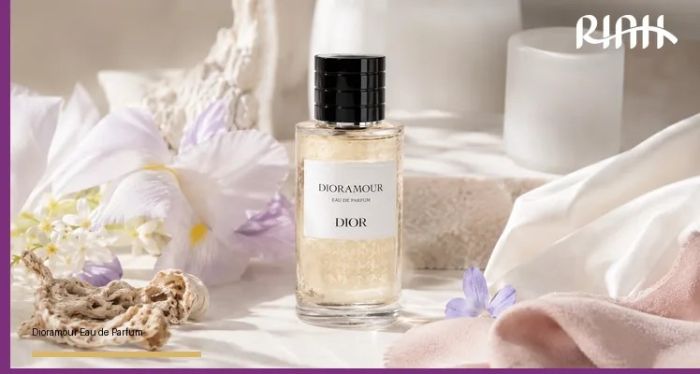
2. Dioramour — Best Iris Powdery Perfume
Dioramour is one of the clearest powdery references in the selection. Its iris direction creates the cosmetic softness associated with classic powdery perfume, while jasmine gives the composition more warmth and floral presence.
This is the strongest option here for readers who specifically want an elegant powder texture rather than a fresh watery floral.
Best for: iris, powdery perfume, elegant evening wear and minimalist luxury.
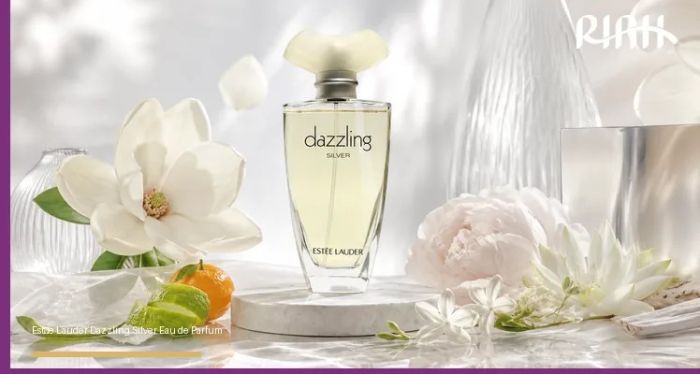
3. Estée Lauder Dazzling Silver — Best Classic Multi-Floral Pick
Estée Lauder Dazzling Silver takes a broader bouquet approach, combining lotus, magnolia and multiple floral materials with green, musky and woody support.
Compared with Dioramour it feels brighter and less cosmetic, making it a useful example of the luminous multi-floral style.
Best for: lotus, magnolia, classic bouquets and fresh green florals.
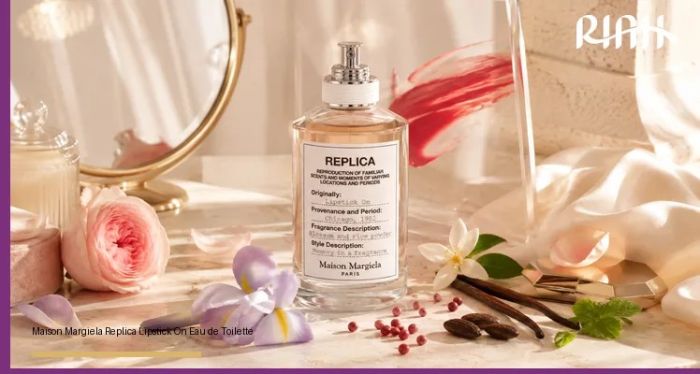
4. Maison Margiela Lipstick On — Best Lipstick-Style Powdery Perfume
Maison Margiela Lipstick On belongs naturally in a powdery guide because its entire character is built around a cosmetic, dressing-table and lipstick-like impression.
Rather than emphasizing watery petals, it focuses on soft texture and nostalgic cosmetic warmth, making it a useful contrast to fresher peony or lotus perfumes.
Best for: cosmetic powder, lipstick-style scents, soft evening wear and powder lovers.
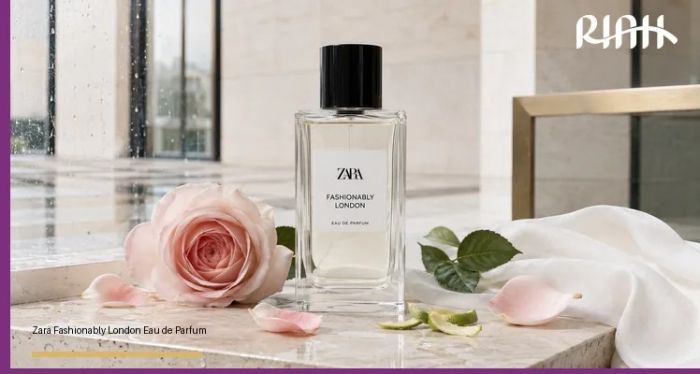
5. Zara Fashionably London — Best Easy Modern Rose
Zara Fashionably London represents a cleaner modern rose direction. It is less about dense oud or syrupy sweetness and more about an easy, polished floral profile.
That makes it a practical option for shoppers who want rose to remain recognizable without becoming too heavy.
Best for: modern rose, everyday wear, clean florals and day-to-evening use.
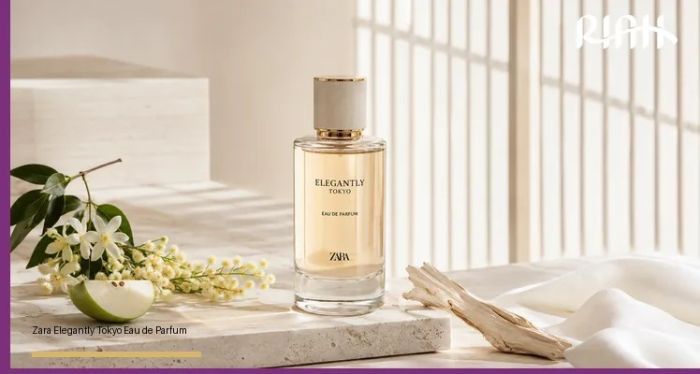
6. Zara Elegantly Tokyo — Best Minimalist White Floral
Zara Elegantly Tokyo offers a cleaner white-floral interpretation with a more controlled woody structure.
It works well for people who like floral perfume but prefer something more architectural and restrained than a dense, sweet bouquet.
Best for: clean white florals, office wear, minimalist fragrance and warm-weather use.
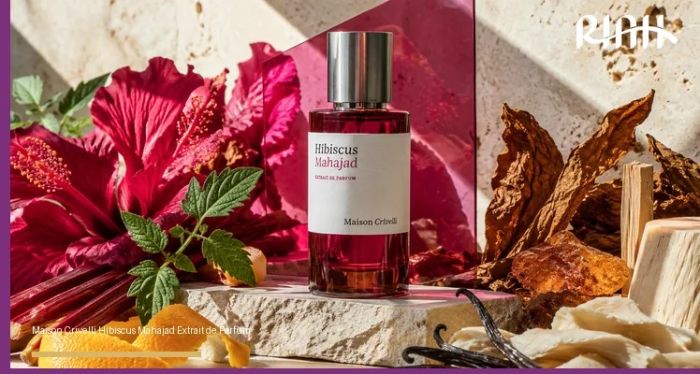
7. Maison Crivelli Hibiscus Mahajad — Best Rich Modern Floral
Maison Crivelli Hibiscus Mahajad moves into a richer and more textural floral direction. Compared with peony, lotus or minimalist white florals, it feels denser and more statement-oriented.
It is especially useful in this list because it shows how a floral perfume can become powerful, sensual and niche-style rather than simply soft or romantic.
Best for: statement florals, evening wear, niche fragrance lovers and richer floral profiles.
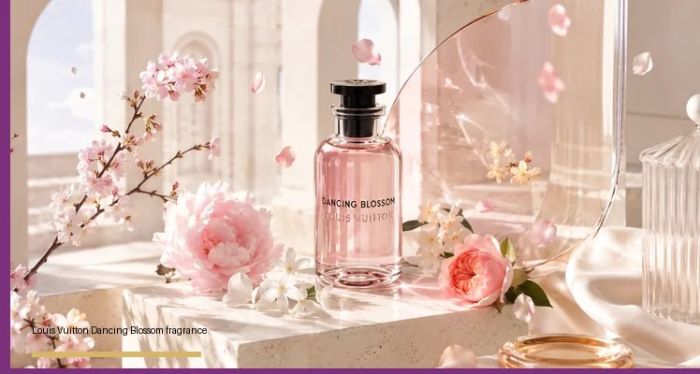
8. Louis Vuitton Dancing Blossom — Best Luxury Floral Bouquet
Louis Vuitton Dancing Blossom represents the polished luxury bouquet side of floral perfumery.
Where Dioramour focuses strongly on powdery texture and Zara Rose gives a simpler rose interpretation, Dancing Blossom is better understood as a refined multi-floral composition.
Best for: luxury floral bouquets, elegant occasions and buyers who prefer several flowers working together.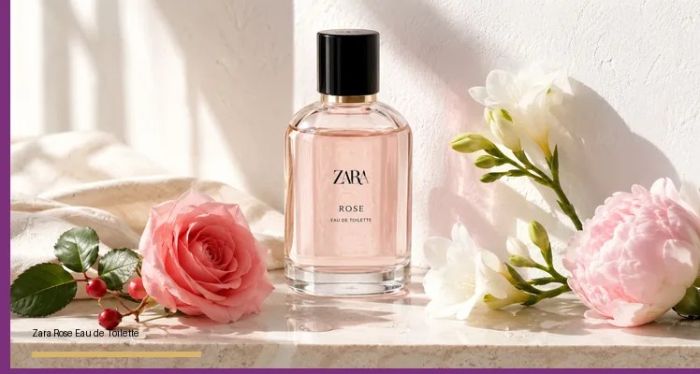
9. Zara Rose Eau de Toilette — Best Straightforward Rose Pick
Zara Rose Eau de Toilette is one of the easiest ways to explore rose within this group.
Its value is simplicity: not every rose fragrance needs oud, saffron, leather or heavy amber. A lighter rose-focused perfume makes the flower easier to identify and easier to wear.
Best for: beginners, daytime rose, simple floral wardrobes and warm-weather use.
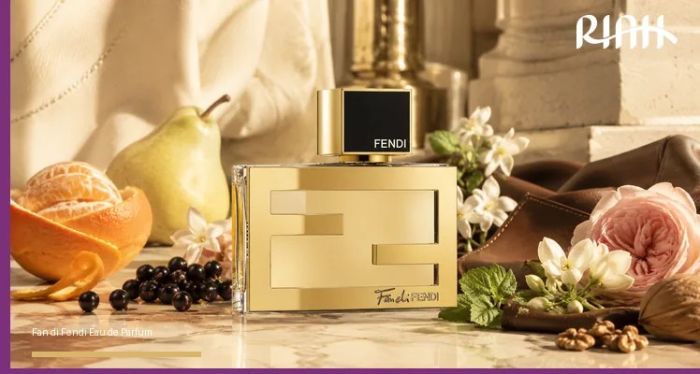
10. Fan di Fendi — Best Warm Floral With Fashion Character
Fan di Fendi Eau de Parfum combines a floral heart with fruit, patchouli and a warmer dry-down, creating a more polished fashion-oriented style.
It feels more structured than a delicate spring floral and is a good choice when you want flowers with additional depth rather than pure airy freshness.
Best for: warm florals, white-floral lovers, polished feminine wear and deeper dry-downs.
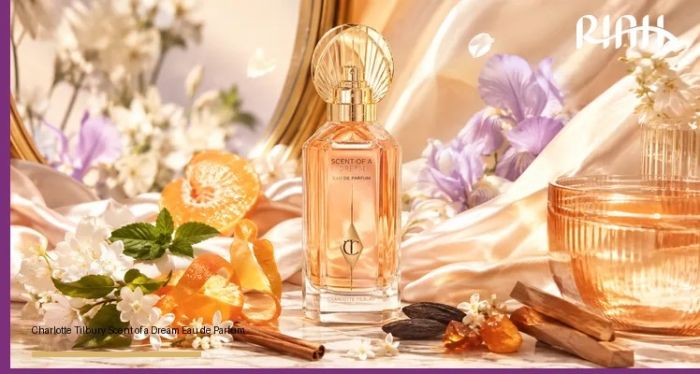
11. Charlotte Tilbury Scent of a Dream — Best Soft Romantic Multi-Floral
Charlotte Tilbury Scent of a Dream provides a softer and more blended multi-floral direction.
Rather than behaving like a single-note rose or iris study, it works as a layered composition for buyers who want floral character to feel smooth, romantic and sensual.
Best for: romantic florals, layered bouquets, feminine evening wear and softer floral profiles.
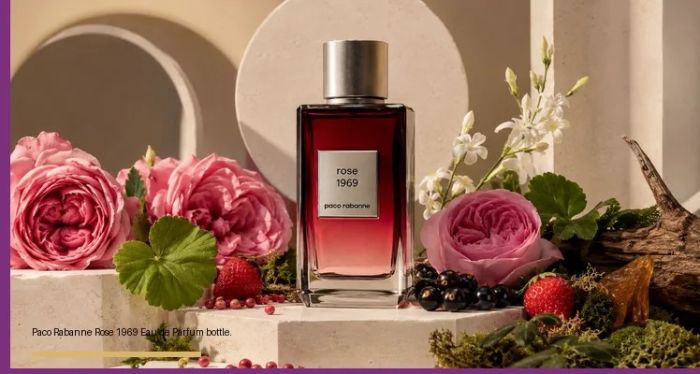
12. Paco Rabanne Rose 1969 — Best Rose-Focused Unisex Pick
Paco Rabanne Rose 1969 gives the article another rose interpretation, but with a more expressive unisex positioning than a straightforward feminine rose scent.
Including multiple rose fragrances is useful because rose can shift dramatically depending on the structure around it, from clean and accessible to richer and more stylized.
Best for: rose-focused wear, unisex florals and buyers who want a more expressive rose profile.
Which of These 12 Should You Choose?
For maximum powderiness, start with Dioramour or Lipstick On. For a fresh floral, Peony Couture, Zara Rose and Dazzling Silver are easier choices. If you want modern rose, compare Fashionably London with Rose 1969.
For a richer statement floral, Hibiscus Mahajad is the strongest direction in the group. Dancing Blossom covers the polished luxury bouquet style, while Elegantly Tokyo gives you a cleaner and more minimalist floral option.
Powdery vs Fresh Floral Perfumes
One of the easiest ways to choose a floral perfume is to decide whether you prefer texture or brightness.
Powdery Florals
Powdery floral fragrances emphasize softness, dryness and cosmetic texture. They frequently use iris, violet, musk, vanilla, sandalwood or heliotrope-style accords.
They are particularly suitable for:
-
Elegant evening wear
-
Office environments
-
Formal occasions
-
Cooler weather
-
People who enjoy soft projection
Fresh Florals
Fresh floral compositions rely more heavily on peony, lotus, magnolia, green notes, citrus and transparent musks. Their structure creates more air between the floral materials, which generally makes them easier to wear in warm conditions.
They work especially well for:
-
Daytime
-
Spring and summer
-
UAE heat
-
Office wear
-
Casual occasions
Neither is inherently better. The choice depends on whether you want a fragrance to feel soft and tactile or bright and airy.
Choosing a Floral Profile
Choosing floral perfume becomes easier when you stop treating “floral” as one scent family and start thinking in terms of texture, freshness, sweetness and density.
If You Want Maximum Powderiness
Start with:
-
Iris
-
Violet
-
Musk-supported floral accords
Iris should usually be the first note to test because its dry cosmetic effect is one of the most recognizable expressions of powderiness.
If You Want a Fresh Floral
Look toward:
-
Peony
-
Lotus
-
Magnolia
-
Camellia
-
Gladiolus
These notes generally work best when paired with citrus, green notes, fruit, musk or transparent woods.
If You Want a Rich Floral
Choose:
-
Jasmine
-
Rose
These flowers can carry far more weight inside a composition, particularly when combined with amber, musk, patchouli or woods.
If You Want a Spicy Floral
Carnation is one of the clearest options because its floral character naturally works with clove-like spice. Rose can also become significantly spicier when combined with saffron, pink pepper or cinnamon.
If You Want an Unusual Floral
Osmanthus is particularly interesting because its fruity, apricot-like facets make it less predictable than conventional rose or peony.
Floral Notes by Season
Climate changes floral perfume considerably. Heat increases volatility, which can make dense floral fragrances project more strongly, while lighter watery florals often feel easier outdoors.
Spring
Strong choices include:
-
Peony
-
Lilac
-
Rose
-
Magnolia
-
Camellia
These create the fresh-blooming effect normally associated with spring floral perfume.
Summer
Look toward:
-
Lotus
-
Peony
-
Magnolia
-
Gladiolus
-
Light jasmine
Watery, transparent and citrus-supported floral structures generally feel more comfortable during high temperatures.
Autumn
Consider:
-
Iris
-
Rose
-
Osmanthus
-
Carnation
These flowers work especially well when combined with woods, musk and subtle spice.
Winter
Richer combinations involving iris, jasmine, rose, violet, amber, vanilla and sandalwood generally become easier to wear when temperatures drop.
How Floral Notes Change With Other Accords
Floral notes rarely exist alone in a finished fragrance. Supporting materials determine whether the perfume feels fresh, sweet, woody, powdery or dark.
Florals + Musk
Musk softens flowers and can create a clean skin-like finish. Peony, rose, lotus and iris all work naturally with musks.
Florals + Woods
Cedar and sandalwood provide structure. Cedar can make flowers drier, while sandalwood usually makes them smoother and creamier.
Florals + Fruit
Fruit creates brightness and sweetness. Peony with pear or apple feels considerably fresher than peony with incense or amber.
Florals + Spice
Spices create tension. Black pepper can sharpen peony, saffron can make rose feel drier and more leathery, while clove transforms carnation into something warmer and more dramatic.
Florals + Vanilla
Vanilla adds sweetness and warmth. Combined with iris, it creates creamy powder; combined with jasmine, it can push the fragrance closer toward floral gourmand territory.
How to Choose Floral Perfume for UAE Weather
Warm weather does not mean avoiding floral perfume, but the type of floral composition matters. Dense jasmine, amber-heavy rose or heavily vanilla-based powdery fragrances can become considerably stronger outdoors when temperatures rise.
For daytime in the UAE, peony, lotus, magnolia, camellia and transparent musks are generally easier styles to explore. More substantial iris, rose, jasmine and spicy carnation structures often feel more comfortable during evening wear, air-conditioned environments or the cooler part of the year.
Application matters as well. A perfume that needs several sprays during European winter may require much less in Dubai heat because temperature can increase initial diffusion.
Final Verdict
The best way to understand floral perfume notes is to stop thinking of flowers as one single fragrance category. Rose is remarkably versatile, iris creates one of perfumery's strongest powdery signatures, while peony provides a fresher and more transparent alternative.
Camellia works well for understated florals, magnolia combines luminosity with creamy softness, and carnation brings an unusual dry spicy character. Lilac offers a softer nostalgic floral effect, while lotus moves toward watery transparency.
Osmanthus is particularly valuable when you want fruit and floral qualities in the same note, while gladiolus can contribute a lighter green-floral structure. Violet is one of the strongest companions to iris when powderiness is the goal, whereas jasmine provides much greater floral volume and sensuality.
The 12 finished fragrances in this guide show those differences across a much wider range. Peony Couture represents fresh modern peony, while Dioramour and Lipstick On cover the powdery and cosmetic side. Dazzling Silver, Dancing Blossom and Scent of a Dream demonstrate broader bouquet-style florals, while Zara Rose, Fashionably London and Rose 1969 show how differently rose can be interpreted. Elegantly Tokyo, Hibiscus Mahajad and Fan di Fendi expand the selection into clean white florals, richer niche florals and warmer floral compositions.
So instead of simply asking whether you want a rose perfume, iris perfume or peony perfume, decide what the fragrance should feel like: powdery or fresh, airy or dense, clean or sensual, green or sweet, modern or classical. Once those preferences are clear, choosing the right floral profile becomes much easier.
 What makes a perfume smell powdery?
Powderiness usually comes from a combination of iris or orris-style accords, violet, musk, vanilla, heliotrope-style materials and soft woods. These create dry, cosmetic or talc-like associations rather than one literal “powder” ingredient.
Is iris a powdery perfume note?Yes. Iris is one of the most important materials associated with powdery perfumery and can create cosmetic, earthy, rooty or lipstick-like effects depending on the formula.
What does peony smell like in perfume?Peony is generally interpreted as fresh, airy and lightly rosy. It works particularly well with fruit, rose, musk and transparent woods.
What does rose smell like in perfume?Rose can range from fresh and green to sweet, honeyed, fruity, spicy or dark. The surrounding notes determine which facet becomes dominant.
What is the difference between iris and violet?Both can contribute powderiness, but iris generally feels drier, earthier and more cosmetic. Violet can feel sweeter and softer, while violet leaf moves toward a greener direction.
Be the first to write a question
Related posts
- top 10 best selling perfumes in the world 2024
- 12 Best Long-Lasting Perfumes for Men: Strong Scents That Last
- top 10 best-selling perfumes in the world for ladies
- top 10 perfumes guys love
- best perfumes for women that men love

- top 10 most seductive perfumes

- Most famous perfumers

- Top 10 most popular Creed perfume for ladies
- sexiest perfume for women
- What are the benefits of wearing perfume and its impact on social relations?

Log in to your account to share comments and reviews, then click the “Share Comment” button.