


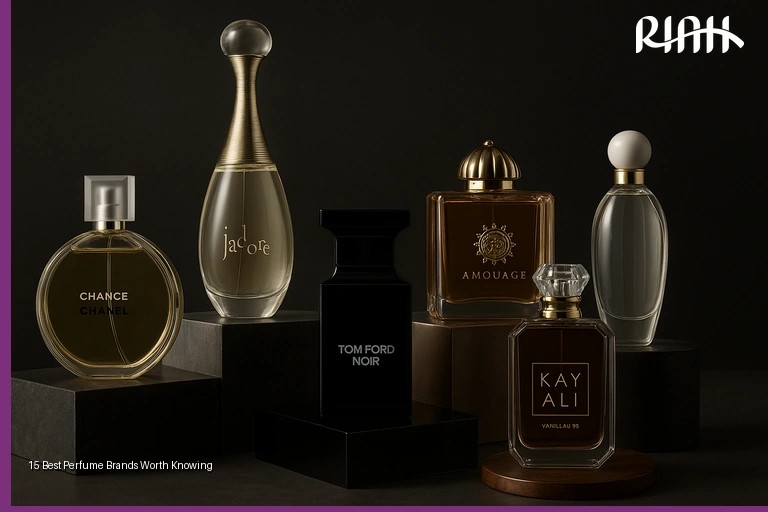
15 Best Perfume Brands Worth Knowing
A perfume brand is worth knowing for more than one bestselling fragrance. The strongest fragrance houses develop a recognizable signature style while still offering enough variety for different tastes, seasons and occasions. Consistency also matters: a good brand should deliver convincing compositions across several releases rather than relying on a single viral scent. Performance, ingredient quality, bottle presentation, price positioning and the breadth of the collection all help determine whether a brand deserves a place in a long-term fragrance wardrobe.
This guide compares 15 perfume brands across designer, Middle Eastern and modern fragrance styles. Some focus on polished everyday versatility, others are known for powerful oud, amber or gourmand compositions, and several specialize in more experimental luxury perfumery. The goal is to help you choose a brand based on the way you actually wear fragrance—whether you need an easy daily signature, strong performance for evenings, accessible value or a more distinctive statement scent.
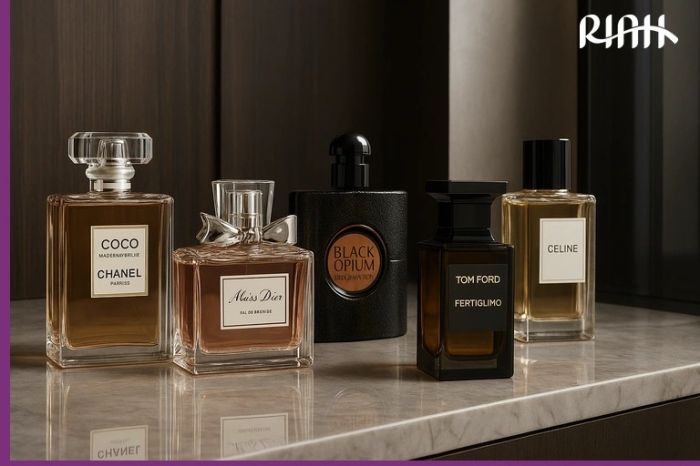
Best Perfume Brands at a Glance
- Chanel: Best for timeless designer versatility
- Dior: Best for variety across men’s and women’s fragrance
- Tom Ford: Best for bold modern luxury
- Yves Saint Laurent: Best for contemporary designer scents
- Amouage: Best for high-end Middle Eastern perfumery
- Celine: Best for understated haute parfumerie
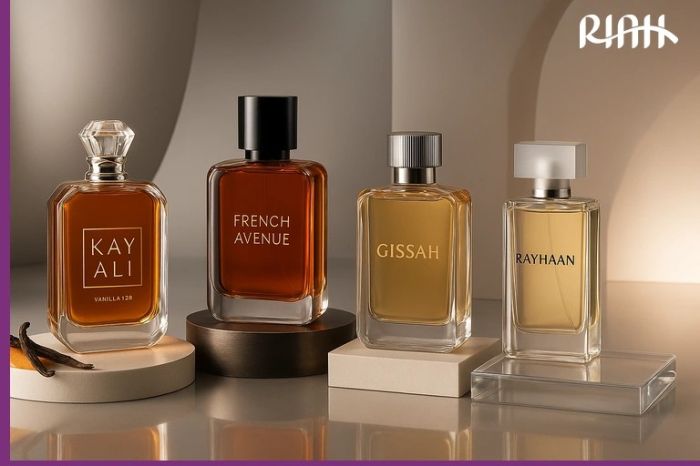
- Kayali: Best for sweet scents and fragrance layering
- Fendi: Best for fashion-house fragrance collectors
- Gissah: Best for contemporary Gulf luxury
- French Avenue: Best for strong performance at accessible prices
- Zara: Best for affordable fragrance variety
- Rayhaan: Best for accessible modern Middle Eastern scents
- Police: Best for affordable lifestyle fragrances
- Dkhoon: Best for accessible Arabic-inspired perfumery
- Kiko Milano: Best for approachable Italian beauty fragrances
There is no single best perfume brand for every wearer. Chanel and Dior are among the safest choices when versatility and a broad catalogue matter, while Tom Ford and Amouage move toward richer, more distinctive luxury. Kayali is particularly attractive to fans of vanilla, fruit and gourmand styles, whereas Gissah and Dkhoon explore a stronger Middle Eastern identity. Zara, Police, Rayhaan and Kiko Milano occupy more accessible price positions, making them useful for buyers who want to explore multiple scent profiles without immediately moving into premium luxury pricing.
How We Selected the Best Perfume Brands
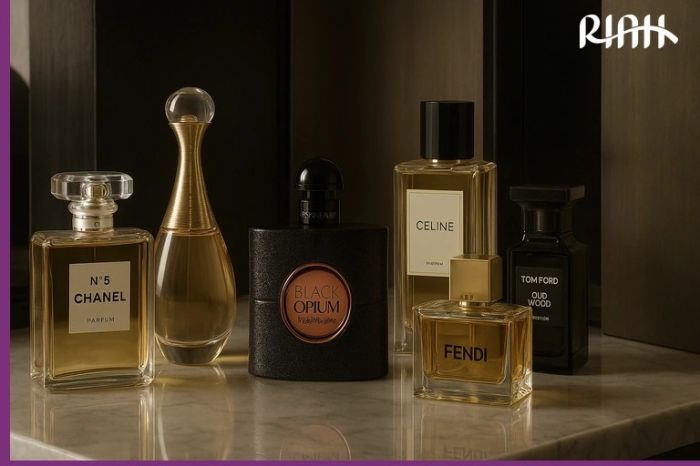
We evaluated brands rather than individual bestselling perfumes. The selection considers whether each house has a recognizable scent identity, how consistently it performs across different releases, how broad its fragrance catalogue is, and whether it provides useful options across fresh, floral, woody, sweet, amber, musk and oud directions. We also considered versatility, expected performance, presentation and price positioning—from affordable everyday collections to premium designer and high-perfumery houses.
Another important factor was range depth. A brand becomes more useful when it can serve different fragrance needs rather than forcing every customer toward the same profile. Houses such as Chanel and Dior cover fresh everyday scents as well as richer evening fragrances; Amouage and Gissah offer deeper oriental and woody styles; and brands such as Kayali, French Avenue and Zara respond more quickly to contemporary gourmand, fruity and amber trends.
best perfume brands visual guide for Best Perfume Brands at a Glance
Best Designer Perfume Brands
Among designer brands, Chanel and Dior provide the strongest balance of scent quality, performance, versatility and catalogue depth, making them particularly suitable for shoppers who want a reliable luxury signature. Yves Saint Laurent often takes a younger and more sensual direction through aromatic, vanilla, coffee and floral styles, while Tom Ford is generally bolder, darker and positioned at a higher price point. Celine offers a quieter, more niche-like interpretation of designer perfumery, and Fendi places fragrance within a broader Italian luxury identity. Zara, Police and Kiko Milano occupy more affordable positions and suit buyers who value variety and accessibility over exclusivity.
Best Middle Eastern Perfume Brands
Amouage represents the high-luxury end of Middle Eastern perfumery, with complex compositions, premium pricing and scents designed for fragrance enthusiasts who appreciate incense, resins, woods and powerful drydowns. Gissah takes a contemporary Gulf-luxury approach, often blending oud, amber, musk, leather and sweeter elements into polished unisex fragrances. Dkhoon provides a more accessible entry into Arabic-inspired perfume styles, while Rayhaan combines Middle Eastern identity with fresher and more internationally familiar scent structures. These brands are especially attractive to wearers who value noticeable projection and deeper compositions rather than very light skin scents.
best perfume brands visual guide for How We Selected the Best Perfume Brands
Best Modern Perfume Brands
Modern brands tend to respond quickly to current fragrance tastes. Kayali is one of the clearest examples, building much of its identity around layering, gourmand sweetness, vanilla, fruit and expressive unisex compositions.French Avenue targets buyers who want concentrated, statement-making fragrances at a more accessible price than many niche houses, while Gissah combines modern presentation with Gulf fragrance traditions. Rayhaan takes a value-focused approach, making contemporary scent profiles accessible to a broader audience. These brands generally suit shoppers who follow fragrance trends closely and enjoy building a larger rotation rather than buying only one traditional signature scent.
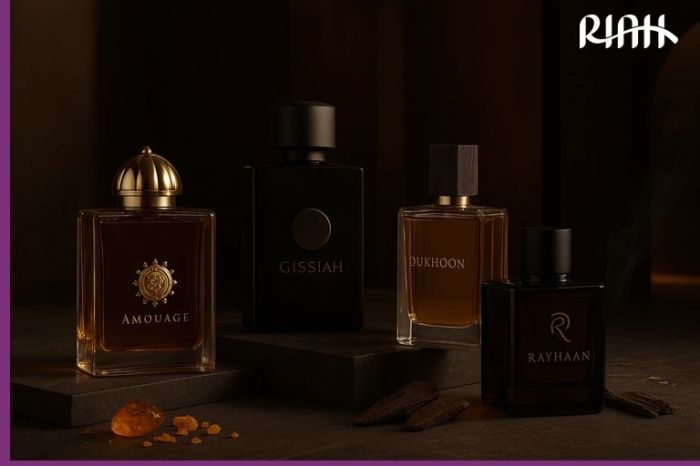
15 Best Perfume Brands Ranked
1. Chanel
Chanel perfume has one of the most important histories in modern perfume. Gabrielle “Coco” Chanel founded the house in 1910, and the launch of N°5 in 1921 transformed fragrance into a central part of the Chanel identity. Instead of treating perfume as a secondary fashion accessory, Chanel developed fragrance as an independent expression of the house’s style: controlled, elegant and immediately recognizable.
The brand has continued to build distinct fragrance families across generations. Chanel N°5 remains its historic icon, while Coco Mademoiselle provides a modern amber-fresh direction. Bleu de Chanel has become one of its defining masculine ranges, and Chance offers a brighter and more youthful interpretation of Chanel style.
Chanel is best for buyers who want a safe but premium fragrance investment. Its catalogue moves from clean and fresh to floral, woody and ambery without losing the polished character associated with the house. Pricing sits firmly in premium designer territory, but the range is broad enough to cover work, daily use, evenings and formal occasions.
2. Dior
Dior’s perfume identity began alongside its couture history. In 1947, Christian Dior introduced Miss Dior with his first fashion collection, establishing fragrance as part of the house from the beginning. The brand has since developed one of the broadest perfume portfolios in luxury designer fragrance.
Its best-known lines include Miss Dior, J’adore, Sauvage and Dior Homme. These collections cover floral, fruity, woody, aromatic and richer amber directions, which is one reason Dior works well as an entry point into designer perfumery.
Dior is particularly suitable for someone who wants a strong combination of versatility and brand recognition. Sauvage covers a large part of the modern masculine market, J’adore provides luminous floral luxury and Dior Homme explores a more refined woody identity. Pricing is premium but generally below the level of exclusive niche collections.
3. Tom Ford
Tom Ford perfume established a distinctive fragrance identity very quickly. Black Orchid, the brand’s first fragrance, debuted in 2006 and set the tone for a house willing to work with darker, richer and more sensual materials. The later Private Blend collection pushed this identity further toward luxury perfumery and less conventional scent profiles.
Some of the brand’s most recognizable perfumes include Black Orchid, Oud Wood, Tobacco Vanille, Lost Cherry and Ombré Leather. Together they show how widely the house moves between woods, tobacco, leather, fruit, vanilla and dark floral compositions.
Tom Ford suits wearers who want fragrance to feel deliberate and noticeable rather than purely safe. Pricing ranges from premium designer to niche-level luxury, and many of its signature perfumes are better suited to evenings, cooler weather and special occasions than conservative office environments.
4. Yves Saint Laurent
The Saint Laurent fashion house was founded by Yves Saint Laurent and Pierre Bergé in Paris in 1961. Its fragrance identity eventually became known for combining classic French perfumery with a more provocative and fashion-driven character.
Major fragrance lines include Opium and its modern Black Opium family, the lavender-and-orange-blossom Libre collection, the masculine Y line and La Nuit de L’Homme. These releases give the brand strong coverage across sweet, coffee, floral, aromatic and woody scent directions.
Yves Saint Laurent perfume is a particularly good fit for someone who wants contemporary designer fragrance with more sensuality than a very conservative classic. Libre and Y work well as versatile modern signatures, while Black Opium and La Nuit de L’Homme move toward evenings and date nights.
5. Amouage
Amouage perfume was founded in the Sultanate of Oman in 1983 by the Albusaidi family. The house was created to represent a high form of Arabian perfumery, and materials such as frankincense, woods, spices, florals, amber and resins remain central to its identity.
Well-known Amouage fragrances include Interlude Man, Reflection Man, Guidance and Jubilation. Interlude represents the smoky and resinous side of the house, Reflection provides a smoother floral-woody contrast, and Guidance demonstrates its more contemporary unisex direction.
Amouage sits at the premium end of this list. It suits experienced fragrance wearers who value complexity, strong drydowns and distinctive compositions more than easy mass-market appeal. The brand is especially compelling for formal occasions and cooler environments.
6. Celine
Celine perfume was founded in Paris in 1945 by Céline Vipiana. Its contemporary Haute Parfumerie chapter was developed under Hedi Slimane, drawing on the French tradition of the couturier-perfumer and giving the fashion house a tightly curated fragrance identity.
Notable Celine perfumes include Black Tie, Parade, Reptile, Eau de Californie and Nightclubbing. Black Tie explores a powdery, evening-oriented elegance, while Parade is brighter and more transparent. Reptile and Nightclubbing take the collection into darker territory.
Celine is better suited to someone who wants understated luxury than immediate mass appeal. The fragrances tend to feel polished, soft-edged and fashion-conscious rather than aggressively projecting. Pricing reflects its haute-parfumerie positioning.
7. Kayali
Kayali perfume was founded in 2018 by Mona Kattan and grew from Dubai’s fragrance culture with a strong emphasis on personal expression and layering. The name means “my imagination” in Arabic, which reflects the brand’s approach to combining and customizing scents.
Vanilla | 28 is the brand’s defining bestseller and showcases its warm gourmand identity through vanilla and brown sugar. Other popular releases include Yum Pistachio Gelato | 33, Eden Juicy Apple | 01, Lovefest Burning Cherry | 48 and Utopia Vanilla Coco | 21.
Kayali is ideal for wearers who enjoy vanilla, fruit, gourmand sweetness and experimenting with fragrance combinations. The range is modern and approachable but often richer than traditional fresh designer perfume, making many releases especially attractive for evenings, social occasions and cooler weather.
8. Fendi
Fendi perfume was established in Rome in 1925 by Adele and Edoardo Fendi. Although the house is primarily associated with Italian fashion, leather goods and craftsmanship, perfume has appeared in different chapters of the brand’s history.
Riah’s Fendi selection includes legacy fragrances such as Fan di Fendi, Fan di Fendi Extreme, Fan di Fendi Pour Homme Assoluto and Fan di Fendi Blossom. Fendi has also developed a newer luxury fragrance collection that includes names such as Prima Terra, La Baguette, Dolce Bacio, Perché No and Casa Grande.
Fendi is an interesting choice for collectors who want fragrance tied closely to a luxury fashion house. Its positioning is more exclusive than mass-market fashion perfume, especially in its newer fragrance collection.
9. Gissah
Gissah perfume is a Kuwaiti fragrance house founded in 2019. Its name means “story” in Arabic, and the brand structures much of its identity around fragrance as storytelling, combining Gulf heritage with contemporary presentation.
Among its best-known perfumes are Imperial Valley, Hudson Valley and La Luna Valley. Imperial Valley moves through bergamot and spices into amber, oud, leather, musk and vetiver, while Hudson Valley offers another warm, ambery interpretation. These fragrances helped establish the Valley collection as a recognizable part of Gissah’s catalogue.
Gissah is best for wearers who want Middle Eastern richness presented in a modern luxury format. Projection and density are generally more prominent than in understated European skin scents, making the brand particularly appealing for evenings and social occasions in the Gulf.
10. French Avenue
French Avenue perfume operates within the wider Fragrance World portfolio and developed during the group’s expansion into more premium, contemporary fragrance. Its identity focuses on strong scent profiles, attractive presentation and a price point below many international niche houses.
Popular models include Liquid Brun, with its spicy amber-vanilla and praline character; Royal Blend, which explores cognac, cinnamon, tonka and vanilla; Spectre Ghost; and Cocoa Morado. These releases show the brand’s preference for bold, sweet, spicy and highly noticeable compositions.
French Avenue is a strong option for buyers who prioritize value and impact. It is less conservative than a traditional designer brand and often suits evenings, cooler weather and shoppers who want a distinctive fragrance without paying niche-luxury prices.
11. Zara
Zara perfume began as a fashion retailer in Spain in 1975 and has since developed an extensive fragrance catalogue alongside its clothing collections. Unlike prestige perfume houses, Zara works at a much more accessible price point and releases new fragrance concepts frequently.
Popular women’s fragrances include Red Temptation, Golden Decade, Rose Gourmand, Applejuice and Zara Femme. The catalogue covers everything from light fruity-florals to vanilla, amber and richer evening scents.
Zara is one of the most practical brands for experimentation. It suits someone who wants several perfumes for different situations rather than committing most of a fragrance budget to one bottle. Its greatest strength is variety and value rather than exclusivity.
12. Rayhaan
Rayhaan perfume was developed in Dubai after its founder decided in 2020 to create an independent perfume identity. The brand describes its approach as a meeting point between Middle Eastern roots and more international fragrance styles, with affordability remaining an important part of its positioning.
Recognizable releases include Imperia, Imperia Intense, Rayhaan Elixir, Corium, Pacific Aura and Ocean Rush. The range moves from fresher marine and aromatic profiles to sweeter, deeper and more powerful styles.
Rayhaan suits fragrance buyers who want modern presentation and noticeable performance without moving immediately into luxury pricing. Its variety also makes it useful for younger buyers building a fragrance wardrobe.
13. Police
Police perfume was established in 1983 as an Italian lifestyle brand with a rebellious, urban aesthetic. Fragrance later became an important part of the wider Police portfolio, and the brand developed a recognizable visual identity through unconventional bottle designs.
The To Be fragrance, introduced in 2011 in its distinctive skull-shaped bottle, became one of the brand’s main perfume signatures. The range later expanded into models such as To Be Tattooart, To Be Exotic Jungle and To Be Born To Shine. Police Original also remains part of its broader fragrance catalogue.
Police sits in the accessible designer-lifestyle segment. It is a practical choice for casual wear, gifting and buyers who want bold packaging and straightforward modern scents without premium pricing.
14. Dkhoon
Dkhoon perfume developed from a passion for fragrance and has been building its perfume and incense offering since around 2015. The brand works heavily within Gulf fragrance traditions, offering perfumes alongside oud, musk and incense-oriented products.
Notable perfumes include Signature Rose Gold, Private Musk VIP, Balqees, Gold Tears and Kahilan. The wider catalogue also includes city- and heritage-inspired releases and several Signature, Private and Crown collections.
Dkhoon is best for shoppers who want an accessible Middle Eastern perfume house with a large catalogue. It offers more traditional regional scent cues than many Western designer brands while remaining comparatively approachable in price.
15. Kiko Milano
Kiko Milano perfume was founded in Italy in 1997 and is primarily known as a beauty and cosmetics company. Fragrance forms one part of its wider beauty portfolio, allowing the brand to translate its trend-focused Italian identity into accessible perfumes.
The Scent of Milan collection is its most recognizable fragrance family. Models include Duomo District, Brera District, Montenapoleone District, Navigli District and Isola District, each exploring a different interpretation of Milan through gourmand, floral, woody, musky and amber styles.
Kiko Milano is best for shoppers who already enjoy the brand’s beauty products or want an affordable, polished fragrance for daily use. It does not compete with Amouage or Celine in exclusivity, but its accessible pricing and varied scent profiles make it easy to explore.
best perfume brands visual guide for Best Perfume Brands Ranked
How to Choose the Right Perfume Brand
Start with scent preference rather than brand prestige. If you usually prefer clean, fresh, woody or floral fragrances, Chanel, Dior and Yves Saint Laurent provide some of the safest starting points because their catalogues contain multiple versatile options. If vanilla, fruit and gourmand sweetness appeal more, Kayali and French Avenue deserve greater attention. For incense, oud, amber, leather and deeper woody compositions, Amouage, Gissah and Dkhoon are more natural choices.
Season is equally important. Fresh citrus, aromatic, musky and lighter floral collections tend to work more comfortably during hot daytime conditions, while dense vanilla, amber, oud, leather and gourmand fragrances are often easier to wear during cooler months, evenings or air-conditioned environments. Someone living in the GCC may therefore benefit more from a brand with a varied collection than from a house known exclusively for very heavy scents.
Next consider the occasion and desired projection. For office wear and a safe daily signature, brands such as Chanel, Dior, YSL, Zara and Kiko Milano provide many controlled and versatile choices. For date nights, events or a stronger personal signature, Tom Ford, Amouage, Gissah, Kayali and French Avenue offer more distinctive options. Strong projection is useful when you want presence, but it is not automatically better for close professional environments.
Budget can narrow the decision quickly. Chanel, Dior and YSL occupy premium designer territory, while Tom Ford, Celine and Amouage move toward luxury or niche-level pricing. Gissah sits within modern Gulf luxury, whereas Zara, Police, Rayhaan, Dkhoon and parts of the Kiko Milano range make it easier to experiment at a lower cost. French Avenue is particularly relevant for buyers seeking richer, stronger compositions while keeping spending below typical niche prices.
Finally, decide whether you need one dependable everyday perfume or a distinctive statement fragrance. If you are buying your first serious bottle, versatility is usually more valuable than extreme uniqueness. If you already own several fragrances, a stronger identity from Tom Ford, Amouage, Gissah, Celine or French Avenue can add more variety to your collection.
Best Perfume Brands for Every Occasion
Best Perfume Brands for Everyday Wear
Chanel, Dior and Yves Saint Laurent are among the easiest brands to recommend for daily use because they offer fresh, woody, aromatic and floral fragrances alongside richer options. Zara and Kiko Milano provide more affordable alternatives for buyers who like rotating between several everyday scents.
Best Perfume Brands for Date Nights
Tom Ford, Kayali and Yves Saint Laurent are particularly strong for date-night fragrance. Tom Ford provides darker leather, cherry, tobacco and woody directions, while Kayali focuses more heavily on vanilla, gourmand and fruity sweetness. YSL bridges the two through collections such as Black Opium and La Nuit de L’Homme.
Best Perfume Brands for Formal Events
Amouage, Chanel, Celine and Gissah work particularly well when greater sophistication or presence is needed. Amouage provides the strongest high-perfumery character, Celine offers understated couture elegance, Chanel remains the safest timeless choice, and Gissah brings a contemporary Gulf-luxury identity.
Best Perfume Brands by Budget
Best Affordable Perfume Brands
Zara, Police, Rayhaan, Dkhoon and Kiko Milano are useful starting points for budget-conscious buyers. They allow shoppers to explore different fragrance families without committing to luxury-level prices.
Best Premium Designer Brands
Chanel, Dior and Yves Saint Laurent offer the strongest balance between luxury positioning and practical versatility. They are particularly useful for someone who wants recognizable quality but still expects to wear the perfume regularly.
Best Luxury and Statement Brands
Tom Ford, Amouage and Celine are better suited to buyers comfortable with higher pricing and more specific scent identities. Gissah also fits this category for shoppers looking specifically for contemporary Gulf luxury.
best perfume brands visual guide for 1. Chanel Bleu de Chanel EDP For Men
Conclusion
The best perfume brands build an identity across a collection rather than depending on one famous bottle. Chanel and Dior remain strong choices for polished versatility, Tom Ford and Celine provide more distinctive luxury, and Amouage represents a deeper high-perfumery approach rooted in Oman. Kayali, Gissah and French Avenue show how younger brands are reshaping modern fragrance through gourmand, amber and Middle Eastern influences, while Zara, Police, Rayhaan, Dkhoon and Kiko Milano make fragrance exploration more accessible.
Instead of choosing only by brand reputation, consider the style of scent you enjoy, how much projection you need, the climate and occasion, and how much you want to spend. The right perfume brand is ultimately the one that offers several fragrances you can realistically enjoy—not simply the house behind one viral bestseller.
 Which Perfume Brand Is Best Overall?
There is no universal best brand, but Chanel and Dior are among the strongest overall choices for buyers who value consistency, variety and versatility. Both houses offer enough fragrance styles to cover daily wear, formal occasions and different seasons.
Which Middle Eastern Perfume Brand Is Best?Amouage is the strongest choice for high-end artistic perfumery, while Gissah offers a more contemporary Gulf-luxury direction. Dkhoon and Rayhaan provide more accessible alternatives.
Which Perfume Brand Is Best for Sweet Fragrances?Kayali is particularly strong in sweet and gourmand fragrance, especially through Vanilla | 28 and its fruit- and dessert-inspired collections. French Avenue also offers several rich amber, vanilla and gourmand profiles with stronger value-focused positioning.
Which Perfume Brand Is Best for Beginners?Chanel, Dior, YSL and Zara are easy starting points because their collections cover many scent families and levels of intensity. A beginner can explore fresh, floral, woody and sweet profiles before moving toward more specialized houses.
Which Brands Are Best for Strong Statement Perfumes?Amouage, Tom Ford, Gissah and French Avenue are useful brands to explore when projection, richness and distinctive character are priorities. The appropriate choice still depends on the individual fragrance, since performance can vary significantly within one brand.
Be the first to write a question
Related posts
- top 10 best selling perfumes in the world 2024
- 12 Best Long-Lasting Perfumes for Men: Strong Scents That Last
- top 10 best-selling perfumes in the world for ladies
- top 10 perfumes guys love
- best perfumes for women that men love

- top 10 most seductive perfumes

- Most famous perfumers

- Top 10 most popular Creed perfume for ladies

- sexiest perfume for women

- What are the benefits of wearing perfume and its impact on social relations?

Log in to your account to share comments and reviews, then click the “Share Comment” button.